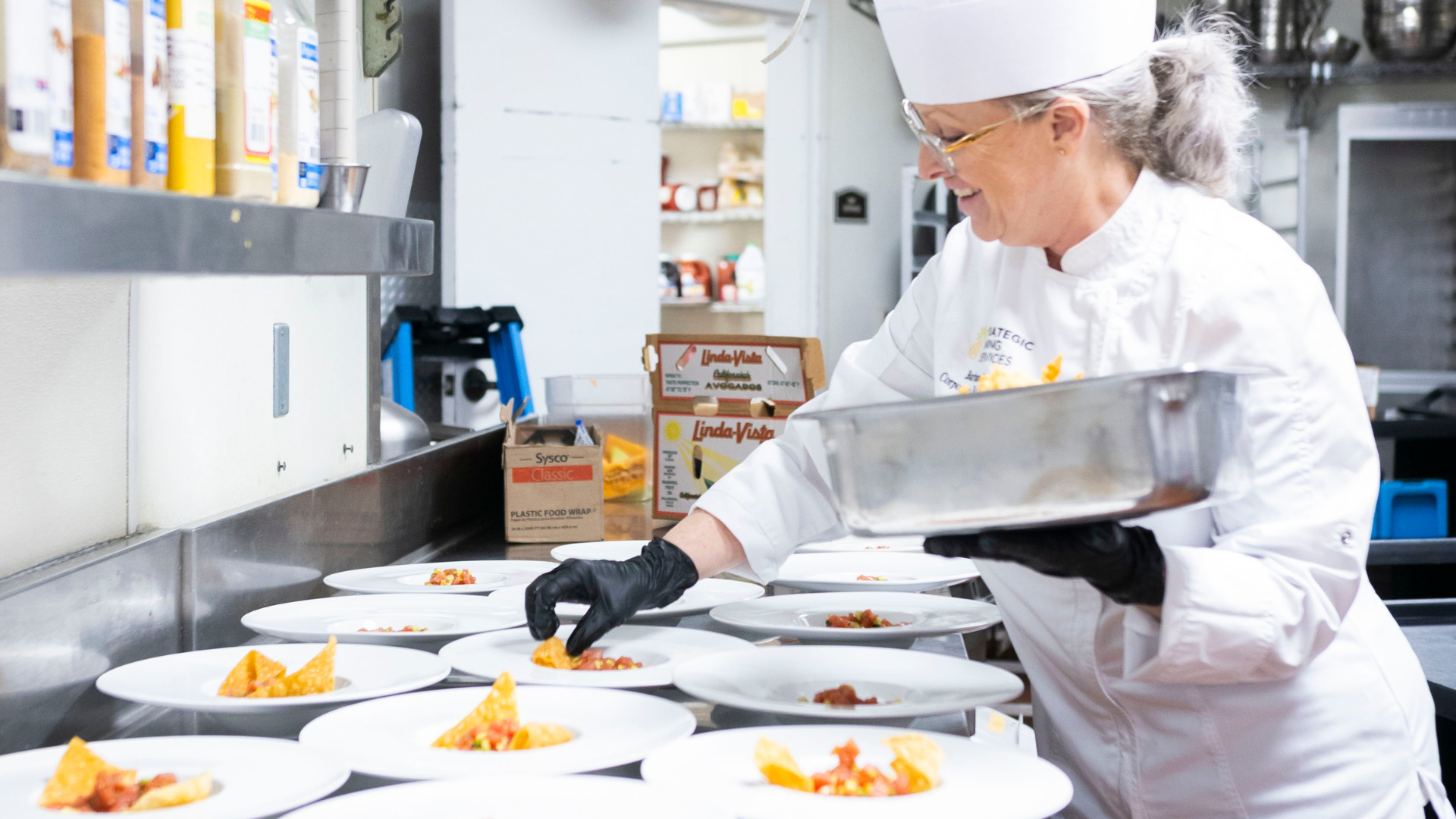

Across many tours of senior living communities, a familiar pattern often appears. The visit usually starts the same way. Families walk through the living space, stop in activity rooms, ask questions about services, and try to absorb as much information as possible in a short period of time. Most of the conversation is practical. How much does it cost? What levels of care are available? What does a typical day look like for residents?
Then at some point, the tour reaches the dining room.
Sometimes it is during lunch service or dinner preparations are already underway. Residents are filtering in, greeting one another, settling into familiar tables. Staff members move through the room, pausing to talk with people they clearly know well.
In that moment, something changes.
The tour stops feeling like a presentation and starts feeling like a glimpse of daily life. Families are no longer just listening to explanations. They are watching how the community actually works.
And more importantly, they begin imagining whether someone they love could feel comfortable there.
That quiet shift is one of the reasons dining has such a powerful influence on senior living decisions.
Dining as the Social Center of Senior Living Communities
In senior living communities, meals are rarely just about food.
For many residents, the dining room becomes one of the most reliable gathering places in the building. It is where neighbors reconnect, where routines begin to form, and where people step outside their apartments to spend time with others. Breakfast starts the day. Lunch creates a natural midpoint. Dinner often brings the community together again.
That rhythm matters more than many people realize.
Seeing residents greeting one another, settling into familiar tables, and sharing conversation gives them a glimpse of that routine.
In a short visit, the dining room becomes one of the clearest places where the social life of the community is visible.
Rising Dining Expectations Among New Residents
One detail many communities underestimate is the role the dining team can play in shaping the tour experience itself.
Prospective residents and families may spend time speaking with an executive director, but when they meet the chef or dining room manager, the conversation often becomes more personal. Food naturally invites curiosity. People ask about favorite dishes, how menus are developed, or what residents tend to enjoy most.
Those conversations help families picture daily life in ways that floor plans and service descriptions cannot.
At the same time, the expectations residents bring with them are changing. Many of the people moving into communities today have spent decades surrounded by dining choice. Coffee shops on the corner. Casual lunch spots. Meeting friends for dinner somewhere familiar. Dining has long been tied to lifestyle and social connection.
Those habits do not disappear when someone moves into a community.
Self- operated communities that are adapting to these expectations are expanding the ways residents gather and dine throughout the day. Instead of a single dining experience, residents may find several options that reflect the way they ate before moving in.
For example:
- A bistro or coffee bar where residents gather in the morning
- A main dining room that anchors dinner and social time in the evening
- A casual lounge or bar area where residents meet friends in the afternoon
- Flexible seating and service styles that allow residents to dine at their own pace
These variations create more opportunities for residents to interact while maintaining a sense of independence in how they spend their day.
Flexibility, Consistency, and What Residents Value Most
As communities expand dining options, many are also rethinking how dining plans are structured.
Not everyone eats the same way. Some residents prefer a single larger meal each day. Others prefer smaller meals throughout the day. Some enjoy bringing family members into the dining room for dinner, while others prefer quick, casual options.
Flexible dining plans acknowledge those differences.
When residents are given dining credits or points they can use across different venues, they gain the freedom to choose how and when they want to eat. That flexibility allows dining programs to support a wider range of routines rather than forcing everyone into the same pattern.
But flexibility alone is not what residents remember most. What residents consistently value is reliability.
If someone orders a favorite dish one week and it tastes completely different the next time, they notice. If service feels relaxed one evening but rushed the next, that difference stands out as well.
Outside of senior living, someone who has a disappointing restaurant experience can simply choose another place next time.
Residents living in a community rarely have that option.
Dining is part of where they live. Because of that, consistency matters deeply. Residents want to know that when they walk into the dining room they will be greeted warmly, served thoughtfully, and leave satisfied most of the time.
Over time, that reliability builds trust.
Resident Feedback as a Driver of Dining Improvement
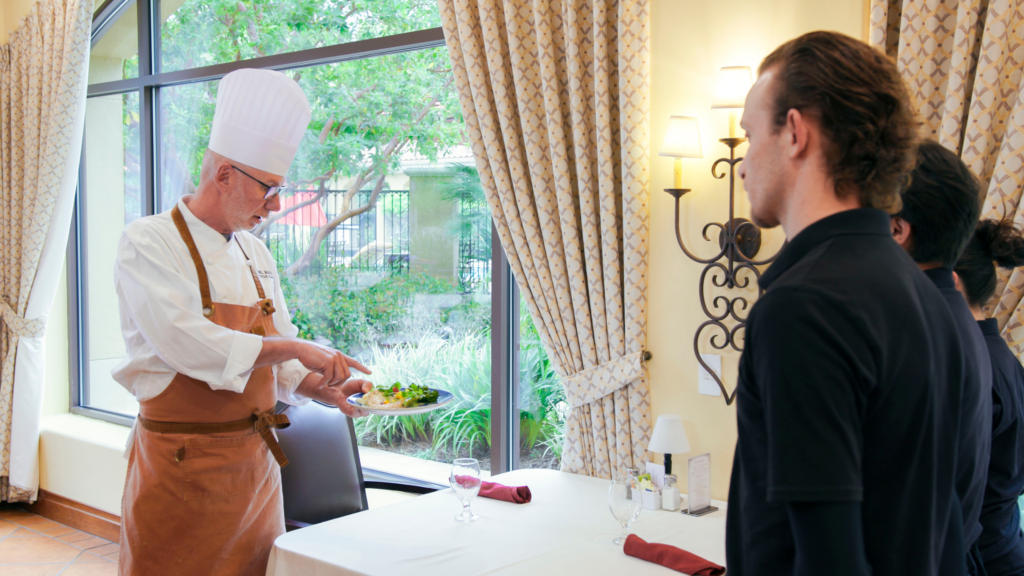
When dining programs struggle, the first instinct is often to assume the menu needs to change. In many self-operated communities, dining teams sit down with residents and ask for feedback; the answers are often much simpler.
Residents may say they enjoy the food but wish it arrived hotter. They may want a little more time to sit and talk before plates are cleared. Small details in service flow or timing can have a much larger impact on the overall experience than an entirely new menu.
Inviting residents into those conversations also sends an important signal.
For many people moving into assisted living or memory care, the transition can feel like a loss of control over familiar routines. Being able to influence the dining experience restores some of that autonomy and reinforces the idea that their preferences still matter.
When residents feel heard, their relationship with the dining program often changes as well.
The Dining Room’s Role in the Final Decision
Senior living leaders spend a great deal of time discussing marketing strategies, referral networks, and occupancy targets. Those efforts play an important role in bringing prospective residents through the door.
But the decision itself often happens somewhere much quieter.
It happens when families sit in the dining room and watch residents enjoying a meal together. They notice the pace of the room. They see how staff interact with residents. They observe conversations unfolding naturally across tables.
In that moment, the community stops being an idea and begins to look like a place where someone they love could live.
That is why the dining room quietly shapes so many senior living decisions. Because it shows families something no brochure or tour ever could, what life there actually feels like.