Senior living is harder to run than it was ten years ago. Labor is tight, food costs keep climbing, and there are more regulatory demands on operators’ time than ever. Leaders have made adjustments to keep the building running and the numbers in line.
Most of those calls make sense when you make them. You hold a position open a little longer. You pull back the menu. Weekend staffing gets thinner. Service becomes about getting meals out the door on time.
Nothing looks broken. But something has changed.
The best communities in this industry built their reputations on hospitality, anticipating what residents needed before they asked, creating genuine emotional connection, making people feel genuinely looked after. Today most operate closer to clinical efficiency than that standard. And the gap between those two things is exactly where occupancy and reputation are won or lost.
Communities that used to feel alive start to feel routine. Residents are fine. Families are fine. But nobody is talking about the place the way they used to, and in senior living, that gap matters more than most operators realize.
Satisfaction Scores Are Lying to Your Operations
Residents say they’re satisfied. Families seem comfortable. The reports look steady. But this isn’t a hotel or a restaurant. This is where people live. When the goal becomes keeping things acceptable rather than making them feel right, people notice, even if they don’t say anything.
Residents still show up to meals, but they don’t linger. They participate in fewer activities and head back to their rooms sooner. Families stop advocating. Referrals slow down. Tours feel informational rather than impressive.
This isn’t a blowup. It’s a slow slide.
The real danger isn’t that residents are unhappy. It’s that nobody feels moved to tell their friends this is the place they should choose.
A Thousand Small Decisions That Add Up in Self-Operated Dining Programs
A vacant position stays open longer than planned. Scratch cooking gives way to more controlled production. Weekend staffing gets trimmed to meet minimum demand. Training gets compressed to get people on the floor faster. Tours become scripted.
Each decision on its own is defensible. Together, they change what residents experience every day.
What was dynamic becomes predictable. What felt personal becomes standardized. What was a relationship becomes a transaction.
Research across senior living consistently shows that communities with stronger dining and engagement satisfaction outperform peers in occupancy and retention. Dining still ranks among the top reasons families choose a community, often weighing more heavily than the building itself or the amenities list. Prospective residents and families may not name it directly, but they feel it the moment they walk through the door.
Strengthening Your Senior Living Dining Program Without Major Capital
Most of the time, turning this around doesn’t require capital. It requires leadership deciding the experience matters and then running the day like it does. Here’s where to focus:
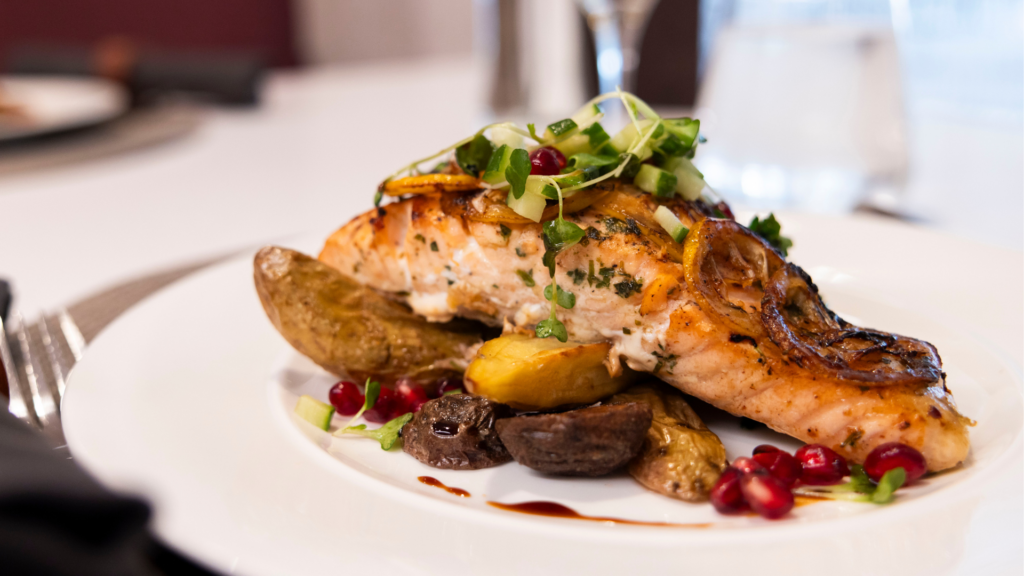
- Dining has to feel intentional. Residents notice when meals feel purposeful. Chef visibility, flexible ordering, and actually using resident feedback can move the needle fast. The goal isn’t complexity. It’s that people feel like someone thought about them.
- Training has to go beyond compliance. Process and procedure are essential but they’re not enough. Teams need to know how to handle real moments, not just tasks. How someone responds when things go wrong, or how they talk to a resident having a hard day, is what people remember.
- Personalization matters more than consistency. Team members need room to create small, thoughtful moments based on what they know about individual residents. Remembering how someone takes their coffee. Noticing a personal milestone. None of that costs money, but it does require trust and the freedom to act on it.
- Satisfaction scores aren’t enough. Track what percentage of residents and families would actively recommend the community. The gap between acceptable and worth recommending is where occupancy and reputation are built or lost.
- Staff experience drives resident experience. When team members feel supported, that carries into every interaction. When they feel stretched or disconnected, that carries over too. Communities that invest in their teams see it in resident satisfaction, occupancy, and the bottom line.
What Separates Strong Dining Programs
The pressure to operate tight isn’t going away. But there’s a real difference between disciplined operations and an experience that has lost its energy over time.
Communities that thrive are the ones that recognize when small compromises are adding up and act before that becomes the new standard. They balance operational discipline with a genuine commitment to hospitality, and they protect that commitment every day rather than revisiting it once a year.
Good enough might hold things together for now. It doesn’t build what comes next.
With occupancy climbing and new supply limited, many communities can sustain that approach in the short term. But as expectations rise, the gap between acceptable and exceptional will become more visible.
The communities we work with at Strategic Dining Services that are moving forward have one thing in common. They decided not to settle, and then they ran every day like they meant it.