Ask most operators what drives occupancy and you’ll hear about marketing, staffing, or location. Ask a resident why they almost left and nine times out of ten, it’s the food.
Most leaders haven’t fully connected those two conversations yet.
On any given day in senior living, there is a lot you cannot predict. You don’t know if there is going to be a fall. You don’t know if there is going to be a move-in or a move-out. You don’t know what is going to pull your clinical team sideways, or which department is going to need attention first. There is real variability in this business and much of it is outside your control.
But breakfast, lunch, and dinner are going to happen. Every single day, without exception.
That consistency is more powerful than most leaders give it credit for. Every meal is an opportunity to make a positive or a negative impact on your residents. If a resident had a frustrating interaction with a neighbor, there is a chance to turn that around at lunch. If someone is struggling with the transition of moving in, a warm dinner experience can do more than almost anything to help them feel like they belong. Three opportunities, every day. The communities that understand that are the ones that stay stable when everything else gets hard.
How Dining Routines Improve Resident Satisfaction
Moving into a senior living community is a major life transition. Even when it is the right move, it is still disorienting. Familiar routines disappear. Social circles shift. Spaces that feel foreign take time to feel like home.
What often gets underestimated is what meals mean inside that transition. Go into any well-run community and pay attention to what happens before dinner even starts. At 4:30, residents are already trickling down to the dining room. They are grabbing their seat, having a drink with friends, settling into a rhythm that is entirely their own. By the time food hits the table, the experience has already been building for an hour and a half.
Breakfast signals a beginning. Lunch creates a midpoint. Dinner brings the community together. For many residents, that dinner table is the most anticipated part of their day and when leaders start thinking about dining through that lens, everything changes.
When dining runs well, the building feels grounded. When it falters, frustration spreads faster than most operators expect and it reaches further than the dining room. An unstable dining program does not stay contained. It affects how residents feel about the community, how families talk about the community, and eventually how census reflects all of it.
Operational Consistency Drives Trust and Performance
When residents say they love a dish but only when a specific cook prepares it, that is not a compliment. It is a systems gap.
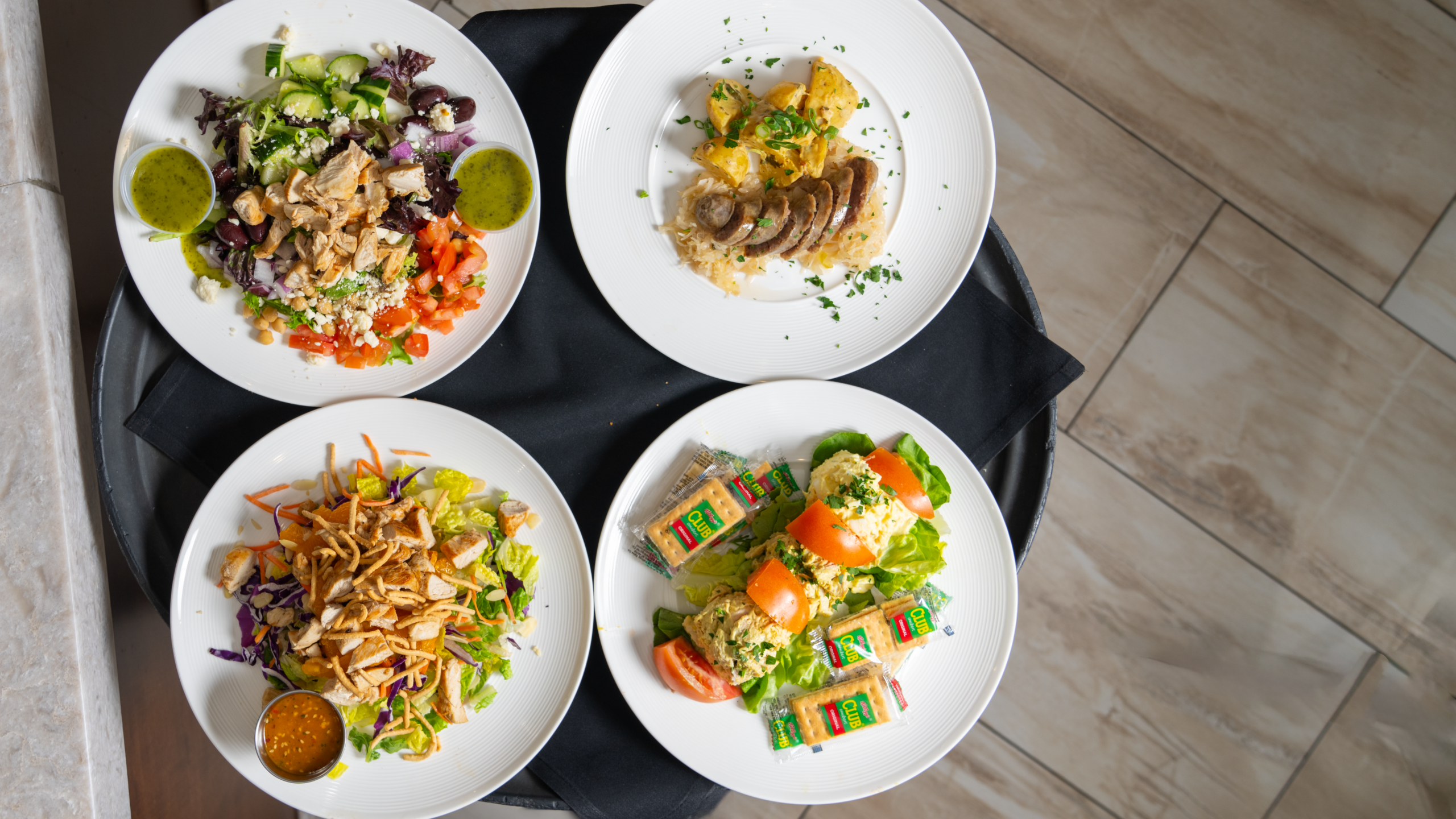
Consistency is comfort in senior living. Standardized recipes, production guides, and clear execution systems mean a resident gets the same quality meal regardless of who is behind the line that day. That reliability is what builds trust over time and trust is what keeps people in a building.
Strong systems also protect financial performance. When production is matched to actual meal counts, waste goes down. When purchasing is disciplined, spending stays in check. The result is a better product without a higher expense line, which is an outcome that matters to every department in the building, not just dining. Real-time visibility into food cost, labor, and resident satisfaction means leaders are not reacting to problems weeks after they started. Small course corrections made early protect margins and prevent larger disruptions down the road.
Data should support hospitality, not replace it. When leaders can see clearly and act quickly, variability decreases and stability follows.
How Dining Influences Tours and Occupancy
Families touring a community almost always ask about the food. It is tangible, emotional, and one of the few things they can evaluate in real time. There is still a real stigma in this industry, the perception that senior living food is institutional or uninspired. Changing that perception is part of the work and the dining room is where it actually happens.
When a community has a meal program it is genuinely proud of, the move is simple. Invite the prospect in for lunch. Let them sit down and see what daily life actually looks like. A full, energetic dining room at peak meal time tells a story that no brochure can. When residents are happy and clearly glad to be there, families notice. When the dining room is empty at lunchtime, that tells its own story.
Communities with a high census rate almost always have a strong dining program. That is not a coincidence. Word travels fast among residents and families and the dining room becomes part of a community’s reputation whether leadership is paying attention to it or not. Prospective residents are watching how current residents actually live, not how the website reads.
Building Census Stability Through Daily Dining
With continued pressure on operating budgets, self-operated dining teams are focused on being thoughtful. Long-term stability is not built at grand openings or during special events. It is built in ordinary moments, when a resident knows exactly what to expect and feels proud to bring their daughter into the dining room on a Sunday afternoon.
Investing in dining does not always mean capital. It is not always a new piece of equipment or a renovation. A lot of it is just time and presence. Leadership showing up at meal times. Every department understanding that when lunch is happening, that is the most important thing happening in the building and everyone has a role in making it go well.
Dining will happen three times tomorrow. The question is whether the team is treating it as a box to check at the end of a shift or as the daily cornerstone of everything the community is trying to build. Go walk the dining room tonight. Sit where a resident sits. See what they see.
That is where reputation is made, three times a day, every day.